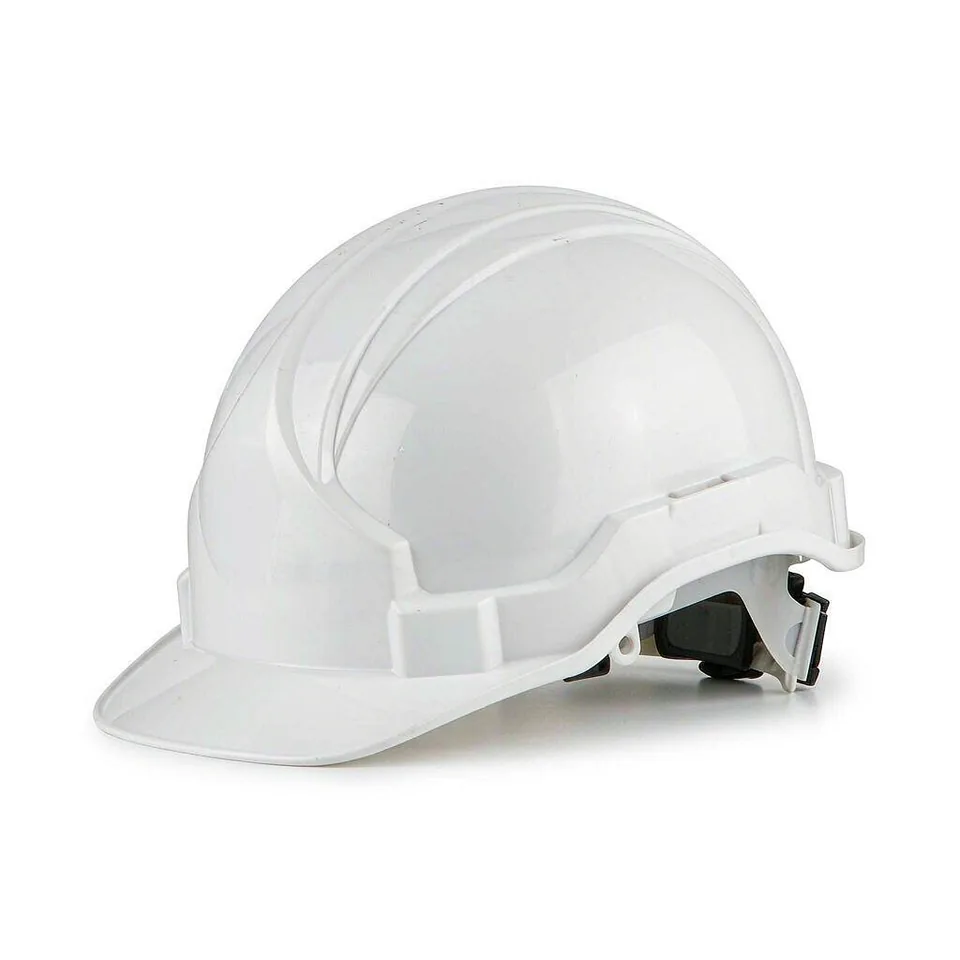
Vented or sealed: helmet shells for heat, rain and live work
The same shell is sold vented and sealed, and the choice decides whether the helmet is allowed on the task at all. Where each version belongs.
Read the note →
The same shell is sold vented and sealed, and the choice decides whether the helmet is allowed on the task at all. Where each version belongs.
Read the note →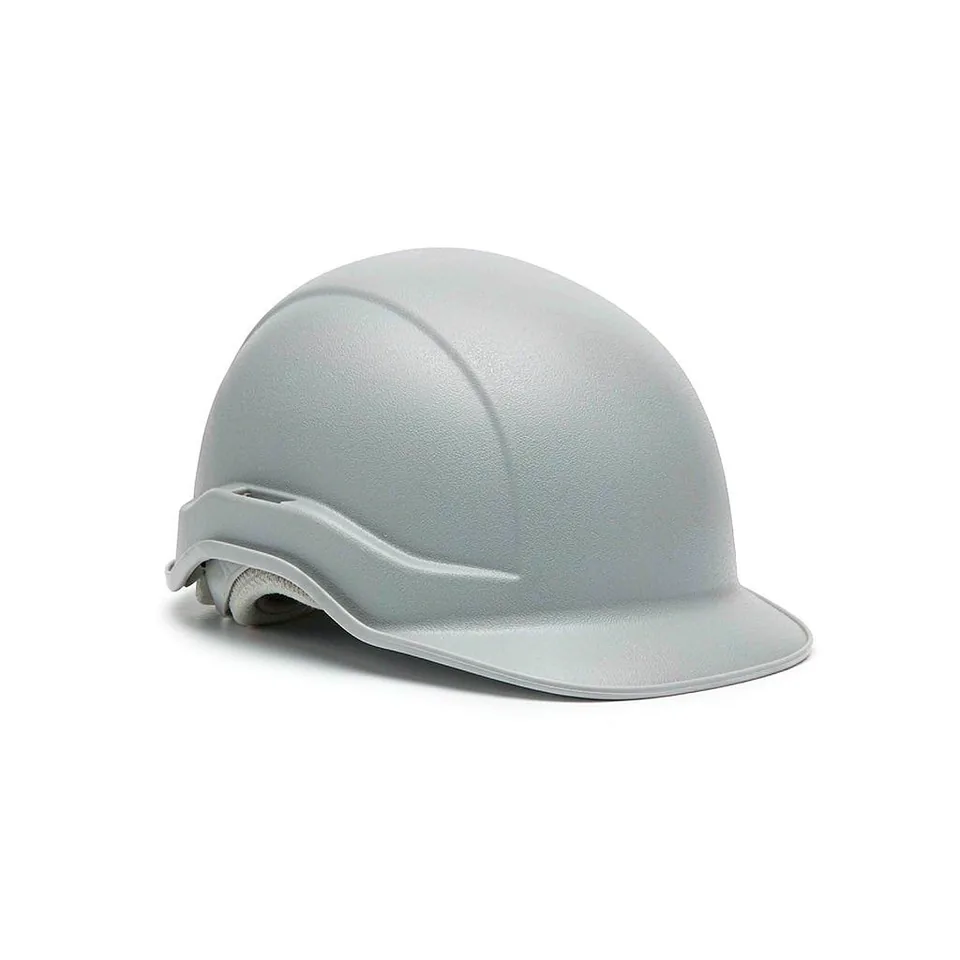
Both are sold as head protection and they answer different hazards. Where a bump cap is correct, where it quietly fails, and the rule that keeps both straight.
Read the note →
Gauge, coating, liner and cuff tell you more about how a glove will behave on a shift than a pictogram does — if you know which numbers matter.
Read the note →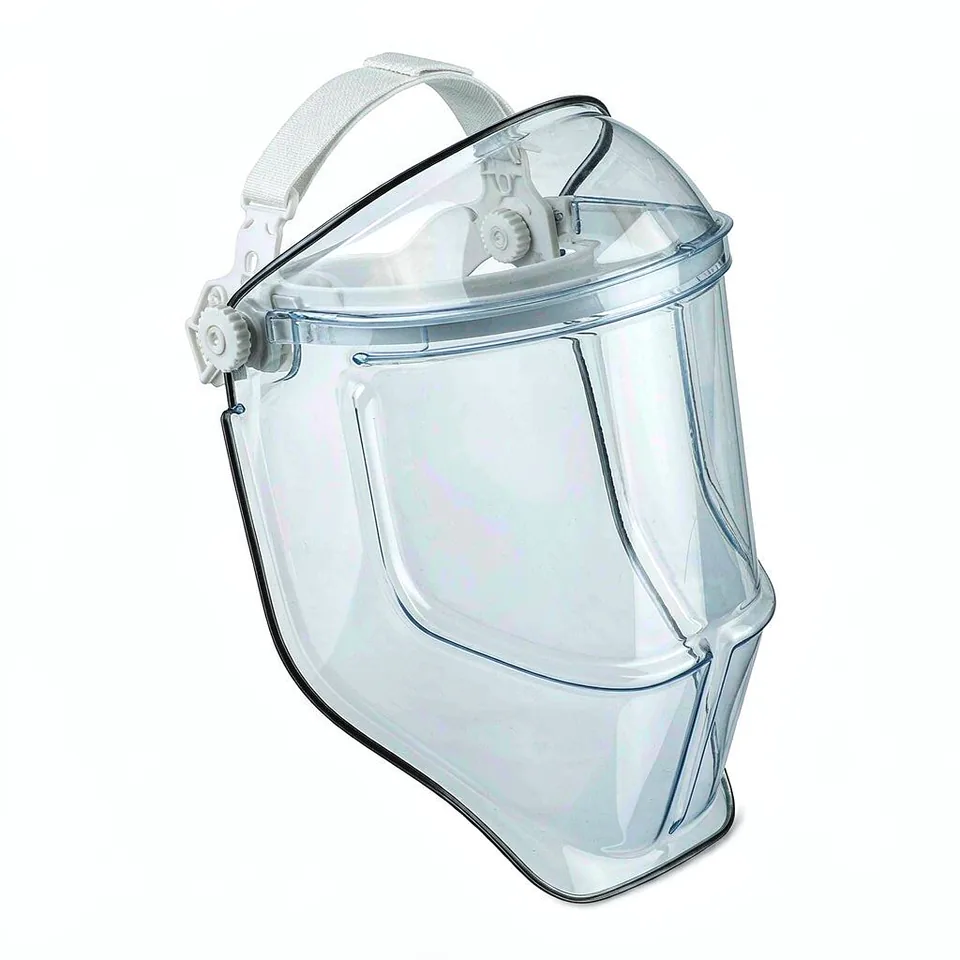
Three products, three gaps. The common eyewear mistake is choosing the most comfortable option rather than the one that closes the gap the hazard comes through.
Read the note →
A standard number on a product page is a promise about a factory we do not own. What we put on the page instead, and why it is more useful to a buyer.
Read the note →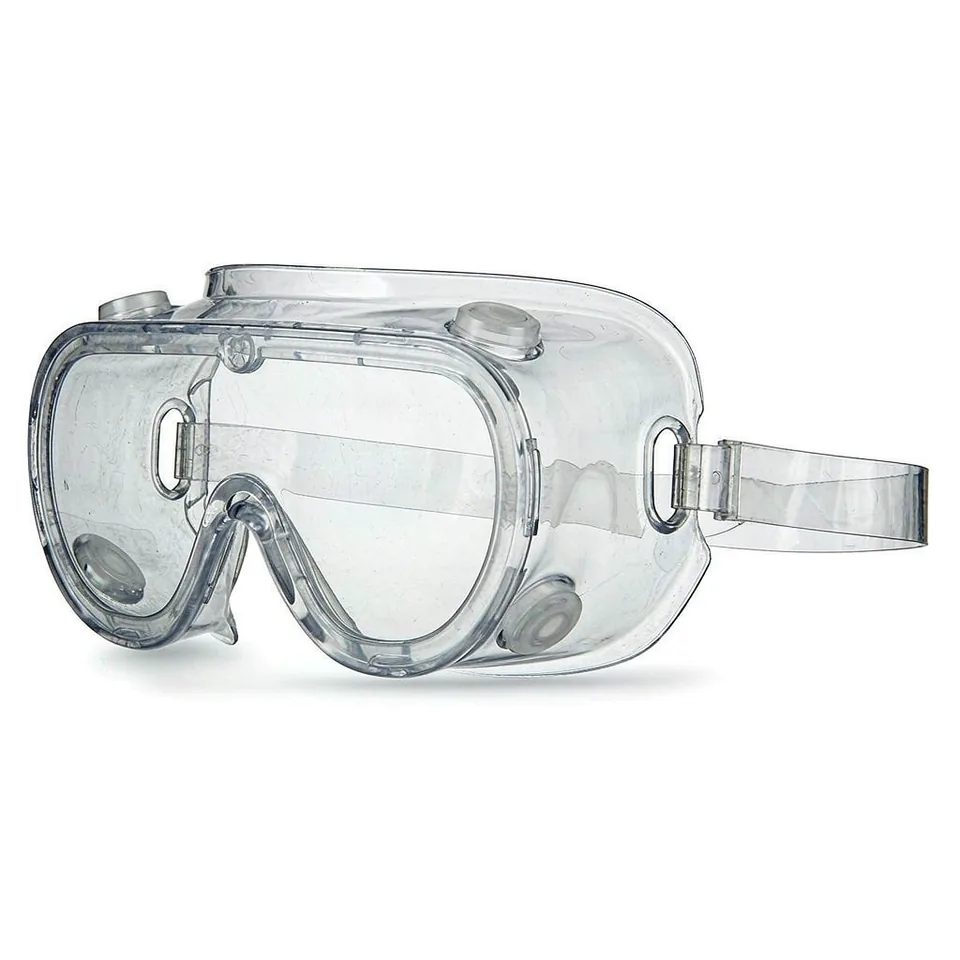
Fog is condensation, and a coating does not stop it. It changes what the water does. Why anti-fog fails first in exactly the places buyers test it last.
Read the note →Send it with your enquiry. We would rather answer a specific question in writing than publish a general guide that does not quite fit your case.